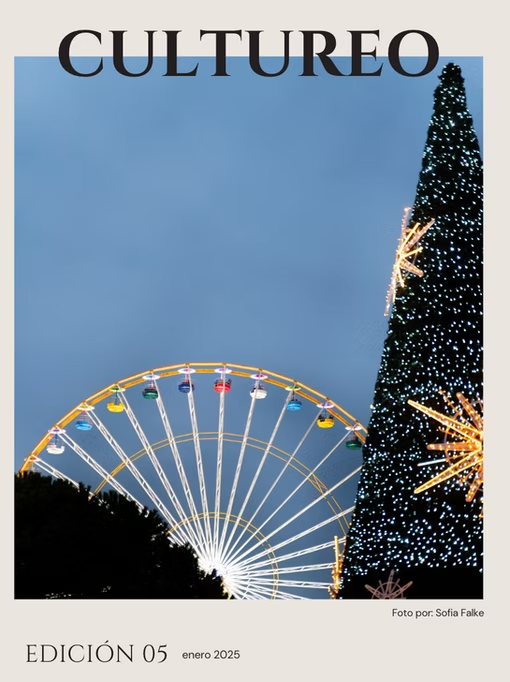
Travel means more than moving from one place to another — cultural trips help you discover the history, art and culture that shape each destination. Cities, landscapes and cuisine reveal stories that connect past and present. From the ruins of Greece to the palaces of Italy, every journey highlights the richness of human creativity. Cultural travel invites people to experience traditions that have shaped the world. It helps travelers see history, culture and everyday life from a new perspective.
Italy: World-renowned history, art, architecture and gastronomy
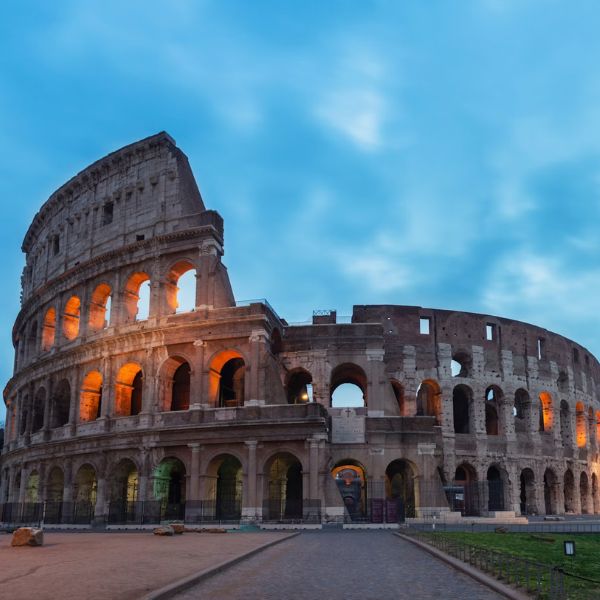
Italy, the birthplace of Western art and culture, offers travelers a rich blend of history, tradition and modern life. Cities combine ancient landmarks, Renaissance masterpieces and vibrant cultural experiences. Rome features the Vatican Museums, home to world-class art, and the Sistine Chapel, a highlight for art and history lovers.
The Colosseum showcases Roman engineering and public spectacles, while the Trevi Fountain blends legend, cinema and Baroque beauty. Castel Sant’Angelo reflects centuries of transformation, from imperial mausoleum to papal fortress. Florence preserves Renaissance art and iconic architecture, and Venice enchants with canals, palaces and historic squares. Tuscany adds scenic landscapes, medieval towns and celebrated regional cuisine, highlighting local ingredients and traditions.
Every city reveals layers of creativity and beauty that shaped global culture. Walking through Italy feels like exploring a living museum, where history, art and gastronomy come alive. Group cultural tours offer excellent opportunities for personal growth and to meet new people.
Japan: A blend of ancient tradition and futuristic modernity
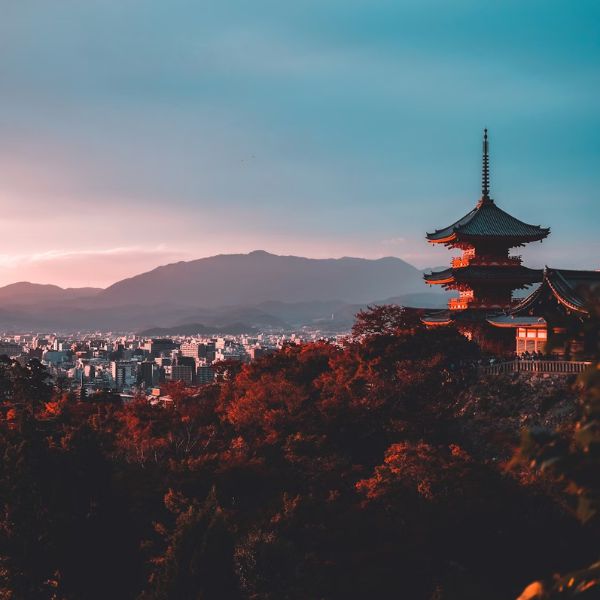
Japan blends ancient traditions with cutting-edge modernity, offering travelers a unique cultural experience. Visitors encounter centuries-old rituals alongside futuristic technology and contemporary design. Temples and shrines reveal Japan’s deep spiritual roots. Kyoto’s Buddhist temples and Shinto sanctuaries provide peaceful settings surrounded by nature, reflecting centuries of religious practice.
At the same time, cities like Tokyo display futuristic architecture, neon-lit streets and high-speed trains, showcasing innovation and urban development. Respect and courtesy shape daily life. Politeness, social etiquette and organized public spaces create harmony in every interaction. Patience and humility are central values, seen in practices like the tea ceremony and martial arts, which demand focus and discipline.
Seasonal festivals highlight cultural heritage. Events such as Gion Matsuri or Hanami connect communities with nature and tradition while attracting visitors worldwide. Japanese cuisine emphasizes simplicity, balance and presentation. Sushi, ramen and kaiseki meals showcase seasonal ingredients and meticulous techniques, reflecting a broader cultural appreciation for aesthetics.
Gardens and shrines demonstrate harmony between architecture and nature, integrating water, stone, plants and space to create serene landscapes. Gratitude and solidarity are visible in community support during natural disasters and daily life. Each district offers a different perspective. Historic markets exist alongside modern shopping areas and technology hubs, creating a dialogue between past and future. Group cultural tours in Japan often include temple visits, culinary experiences, traditional festivals and guided cultural activities for a full immersion into Japanese life and heritage.
Spain: Rich history, Arab and European influences and vibrant regional culture
Spain offers a rich cultural landscape shaped by centuries of history and local traditions. Each region has its own identity, language and cuisine. Andalusia stands out for flamenco, Moorish architecture and historic landmarks. The Alhambra in Granada showcases the legacy of Islamic culture. Semana Santa celebrations bring centuries-old religious traditions to life.
The Basque Country combines dramatic coastlines and mountains with a distinctive culinary scene. Euskara, the Basque language, remains a vital part of local identity. Catalonia highlights artistic creativity and architectural innovation. Barcelona features Antoni Gaudí’s masterpieces, including the Sagrada Familia and Park Güell. Festivals like Sant Jordi celebrate literature, culture and community.
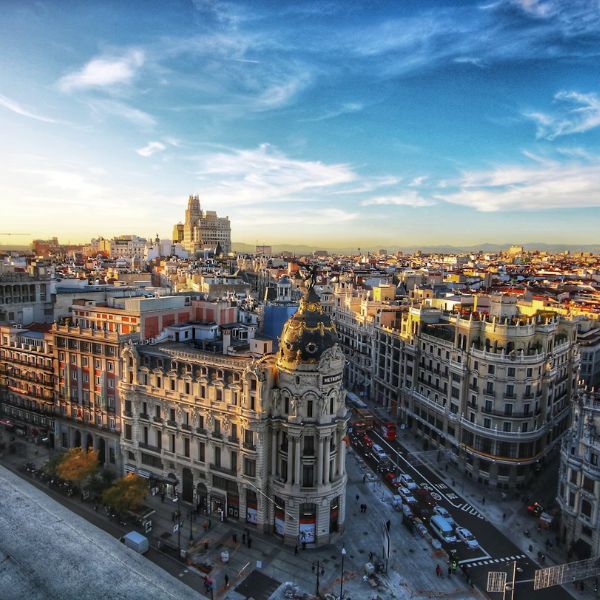
Madrid, the capital, offers world-class museums, historic neighborhoods and vibrant nightlife. The Prado, Reina Sofía and Thyssen-Bornemisza museums form a premier cultural corridor. The Balearic Islands attract visitors with Mediterranean beaches, historic villages and lively traditions that blend Spanish and Catalan influences. The Canary Islands offer volcanic landscapes, subtropical climates and unique customs like Silbo Gomero, a whistled language from La Gomera.
Cantabria combines scenic coasts with prehistoric heritage. The Altamira caves display remarkable cave paintings that reveal early human creativity. Across Spain, each region contributes its own cuisine, language and traditions. Group cultural tours often include historic cities, culinary experiences and festivals that highlight the country’s extraordinary diversity.
India: Ancient traditions, temples, art and vibrant colors
India offers one of the world’s richest cultural landscapes. The country blends ancient history, vibrant traditions and diverse cultural expressions. Delhi, the capital, reveals layers of history through monuments, temples and lively markets. Additionally, Old Delhi preserves centuries-old streets and traditional bazaars, while New Delhi reflects colonial architecture and modern planning.
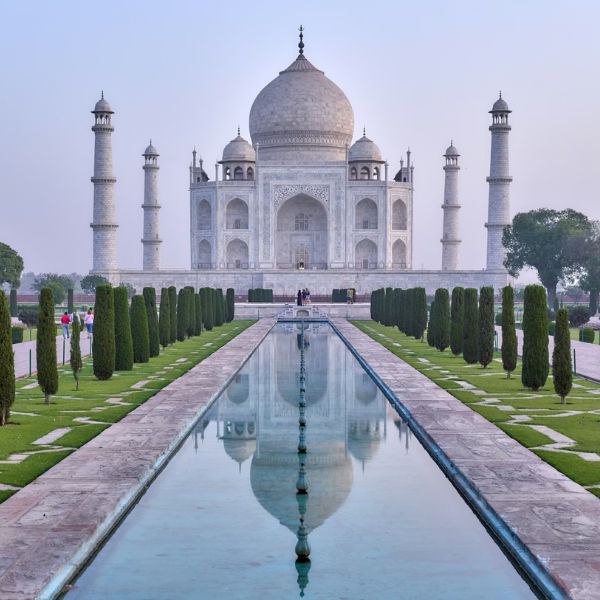
Jama Masjid, one of India’s largest mosques, overlooks the bustling Chandni Chowk market, where visitors experience daily life through crowded streets and street food stalls. Agra is home to the Taj Mahal, a marble mausoleum that symbolizes love and architectural brilliance. Nearby, the Agra Fort and the abandoned Mughal city of Fatehpur Sikri reveal the power and legacy of the Mughal Empire.
Jaipur, known as the Pink City, showcases royal architecture and colorful traditions. Amber Fort, Hawa Mahal and historic palaces highlight the grandeur of Rajasthan’s past. The region also celebrates festivals, artisan traditions and vibrant textiles that preserve centuries of craftsmanship.
Varanasi, on the banks of the Ganges River, is one of the world’s oldest living cities. Hindu rituals and the Ganga Aarti ceremony reflect the deep spiritual traditions of the region. Indian cuisine adds another dimension to the cultural experience. Curries, spices and traditional sweets vary widely across regions. Cultural trips to India often combine historic landmarks, temples, cuisine and festivals that showcase the country’s extraordinary diversity.
Greece: cultural trips to Mythology and Mediterranean landscapes
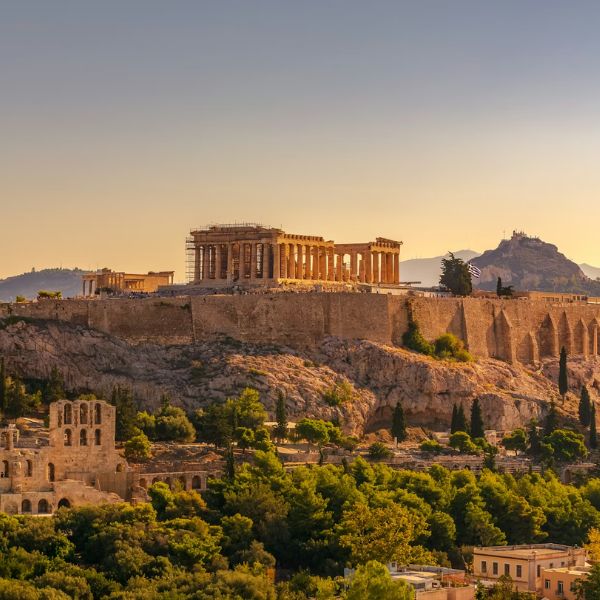
Greece stands at the foundation of Western civilization. Its mythology, philosophy and ancient history continue to influence global culture. Athens serves as the cultural heart of the country. The Acropolis and the Parthenon dominate the city skyline and represent classical Greek architecture and political history.
Ancient sites such as Delphi and the Sanctuary of Apollo reveal the spiritual beliefs of ancient Greece. Pilgrims once traveled here to consult the famous oracle. The Greek islands offer spectacular Mediterranean scenery. Santorini, Milos and other islands feature whitewashed villages, volcanic landscapes and crystal-clear waters Corfu and Kefalonia combine Venetian architecture, vineyards and hidden coves that attract travelers seeking both culture and natural beauty.
Crete preserves remnants of the Minoan civilization, one of Europe’s earliest advanced societies. The Palace of Knossos connects visitors to myths such as the legend of the Minotaur. The Peloponnese peninsula includes historic sites such as Olympia and Mycenae. These locations highlight the origins of the Olympic Games and early Greek civilization.
Greek cuisine reflects Mediterranean traditions. Dishes such as gyros, moussaka and fresh seafood emphasize olive oil, herbs and local produce. Travelers exploring Greece encounter a blend of mythology, archaeology, coastal beauty and culinary heritage. Cultural trips to Greece combine ancient landmarks, island exploration and traditional cuisine.
The lasting impact of cultural trips
Exploring ancient cultures leaves a lasting impression beyond photographs and souvenirs. Every temple, museum and historic street reveals new perspectives on history and society. Architecture, food and rituals reflect the identity of each destination. Cultural trips encourages curiosity and understanding. These journeys expand the way people see the world and remember their experiences long after the trip ends.